All Categories
Featured
Table of Contents
Successful enterprises follow a set of tested business AI finest practices. These include lining up AI with service worth, developing strong data governance, investing in human abilities, making sure ethical AI usage, and constantly measuring efficiency and ROI. Enterprises needs to likewise welcome change management, as AI adoption frequently disrupts traditional functions and processes.
The Enterprise AI Adoption Roadmap 2026 is a practical guide for companies seeking to navigate digital improvement sustainably. Services that approach AI with clear goals, a well-planned application, and assistance from a knowledgeable AI consulting company can unlock higher company worth while lessening implementation threats. They will not simply stay up to date with modification; they will be placed to lead in an AI-driven economy.
It's a management concern and a basic ability that will shape how organizations operate and contend in the years ahead. Enterprise AI adoption is the strategic combination of AI innovations across a company to improve performance, decision-making, and development. Many business start by determining high-impact organization issues where AI can realistically include value, then run small pilot tasks before scaling.
Without a clear method, AI efforts often become spread experiments that do not equate into real service results. AI depends on premium, well-governed data. Data preparedness is a bigger challenge than choosing the right AI tools.
Key Steps for Transforming Your Modern Infrastructure
The widespread adoption of Artificial Intelligence (AI) in client service has ended up being increasingly crucial for services looking for to provide extraordinary consumer experiences. According to current research, the global market for AI in customer support is projected to reach $11.5 billion by 2025, highlighting the growing value of AI adoption. Nevertheless, attaining widespread AI adoption and reaping its full advantages requires cautious preparation, tactical application, and cooperation in between consumer operations, contact center managers, and IT experts.
By following these steps, you can pave the method for AI combination and significantly boost customer experiences. Organizations progressively utilize Artificial Intelligence (AI) to simplify operations and boost client experiences.
AI systems count on large quantities of information to find out and make precise predictions or suggestions. Work closely with your IT department to assess your information preparedness. Assess the schedule, quality, and compatibility of your data throughout different systems. Guarantee proper information governance, security, and compliance steps remain in place to support AI combination.
Transitioning From Legacy IT to Future-Proof Cloud Infrastructure
Collaborate with IT specialists to assess different AI platforms, tools, and solutions that align with your goals. Prior to executing AI on a large scale, it is a good idea to pilot and test the technology in a regulated environment.
Expert Strategies for Scaling Cloud-Based AI FrameworksImplementing AI in client service involves substantial changes for both clients and staff members. Develop a comprehensive modification management strategy that resolves communication, training, and assistance requirements.
Communicate the goals, benefits, and expected impact of AI adoption plainly to all stakeholders. As soon as you have actually completed the essential preparations, it's time to execute AI into your client service facilities. Collaborate carefully with your IT department or AI supplier to flawlessly incorporate the innovation into your existing systems. Guarantee correct data connection, system compatibility, and security procedures are in place.
Throughout the AI adoption process, carefully display and examine crucial efficiency indications (KPIs) related to client service. Track metrics such as reaction time, very first contact resolution rate, client satisfaction ratings, and agent performance. By comparing pre and post-implementation data, you can examine the impact of AI on these metrics and identify locations for enhancement.
Navigating an Digital Path for the Future
AI systems rely on large quantities of information to learn and make accurate forecasts or suggestions. Assess the availability, quality, and compatibility of your data throughout different systems.
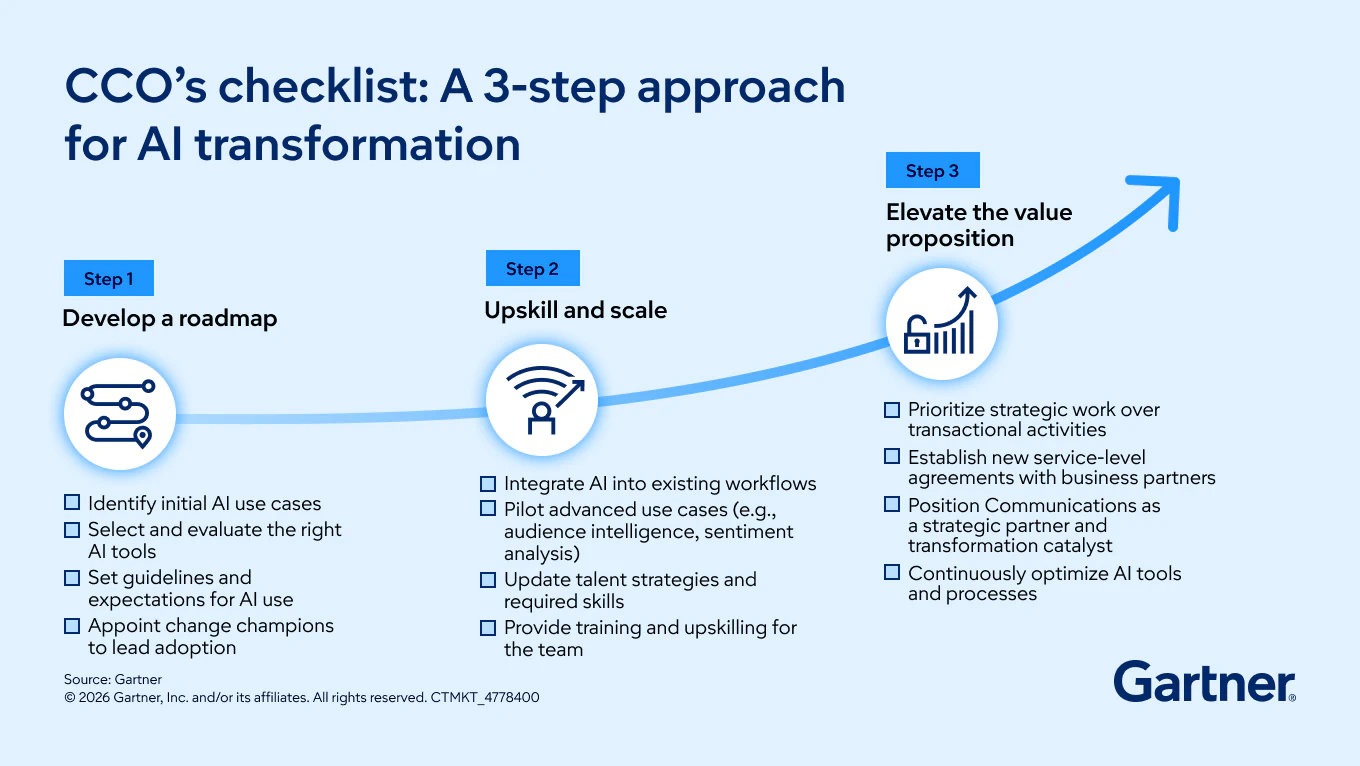
Work together with IT professionals to evaluate different AI platforms, tools, and services that align with your objectives. Consider elements such as scalability, ease of combination, supplier reputation, and ongoing support. Go over with industry experts or experts to help in innovation examination and selection. Prior to implementing AI on a large scale, it is a good idea to pilot and test the innovation in a regulated environment.
This pilot phase permits fine-tuning and modifications before major application. Take advantage of the competence of contact center supervisors and IT professionals to keep track of and evaluate the pilot's results. Executing AI in consumer service involves substantial modifications for both consumers and employees. Develop an extensive change management strategy that addresses interaction, training, and assistance requirements.
Work together closely with your IT department or AI vendor to seamlessly integrate the technology into your existing systems. Make sure proper information connection, system compatibility, and security steps are in place.
Expert Strategies for Scaling Cloud-Based AI FrameworksEmpowering Organizational Change Through AI Adoption Roadmaps
Throughout the AI adoption process, carefully display and analyze crucial efficiency indications (KPIs) associated to customer care. Track metrics such as action time, very first contact resolution rate, consumer fulfillment scores, and agent productivity. By comparing pre and post-implementation information, you can assess the impact of AI on these metrics and recognize areas for improvement.

Latest Posts
Top Steps for Adopting Transformative AI Solutions
Is Deep Integration Is Essential for 2026
Why Transformative Cloud Solutions Drive Modern Growth